

Over 60 percent of British small businesses rely on custom stamps for daily operations, yet many struggle to maximise efficiency and professional impact. Choosing the right stamp, materials, and design can mean the difference between crisp document processing and tedious rework. This guide brings clarity to selecting, designing, and caring for personalised stamps, empowering you to elevate your business branding while saving time and money.
Table of Contents
- Choose The Right Stamp Type For Your Needs
- Select Suitable Materials For Lasting Use
- Optimise Design For Clarity And Impact
- Personalise With Logos Or Unique Text
- Pick The Perfect Ink For Every Surface
- Maintain Your Custom Stamps Properly
- Order From Trusted Custom Stamp Providers
Quick Summary
| Takeaway | Explanation |
|---|---|
| 1. Choose the right stamp type. | Different stamp types cater to various business needs; consider volume and clarity for better efficiency. |
| 2. Select durable materials. | High-quality materials ensure longevity and consistent impression quality, reducing the need for replacements. |
| 3. Design for clarity. | Simple, legible designs improve readability and professionalism, enhancing your branding efforts. |
| 4. Test ink on surfaces. | Proper ink selection prevents issues like smudging and ensures quality impressions across different materials. |
| 5. Maintain stamps regularly. | Routine cleaning and inspection prolong your stamp’s lifespan and maintain optimal performance. |
1. Choose the Right Stamp Type for Your Needs
Selecting the appropriate stamp type is fundamental for small business efficiency. Your stamp choice can dramatically impact workflow productivity, document processing speed, and professional presentation.
Businesses today have multiple stamp options, and understanding their unique characteristics helps make an informed decision. Personalised stamps from Viking UK demonstrate the versatility available for modern organisations, offering choices between self inking and pre inked varieties.
Self Inking Stamps are perfect for high volume tasks. These compact stamps have an integrated ink pad, allowing multiple impressions without separate ink application. They work brilliantly for repetitive tasks like address marking, invoice processing, or quality control checks.
Pre Inked Stamps provide exceptional print clarity and are ideal for detailed logos or precise graphic requirements. They deliver crisp, clean impressions and work exceptionally well for professional documents requiring sharp imagery.
Traditional Rubber Stamps remain valuable for specific applications. They offer cost effectiveness and work well with separate ink pads, making them suitable for occasional use or specialised printing needs.
When selecting your stamp, consider factors like impression frequency, required print quality, budget constraints, and specific business documentation requirements.
Practical Tip: Test multiple stamp types before committing to a bulk order. Request sample impressions to assess print quality, durability, and suitability for your specific business documentation needs.
2. Select Suitable Materials for Lasting Use
Choosing the right materials for your custom stamp is crucial for ensuring durability, performance, and professional presentation. The wrong material can lead to quick degradation, poor impression quality, and unnecessary replacement costs.
Rubber Materials remain the gold standard for stamp production. Natural and synthetic rubber compounds offer excellent flexibility, crisp impression quality, and resistance to wear. These materials work brilliantly for detailed logos, text stamps, and high frequency usage scenarios.
Polymer Stamps represent a modern alternative with significant advantages. These synthetic materials provide exceptional precision, maintain sharper edges longer, and resist chemical degradation. They are particularly effective for intricate designs requiring consistent reproduction.
Wood Mounted Stamps offer traditional charm and remain useful for specific applications. Wooden handles provide comfortable grip and stability, making them suitable for occasional use or specialised marking requirements.
Consider these key factors when selecting stamp materials:
Frequency of Use
- High volume environments require more robust materials
- Occasional use permits lighter weight options
Environmental Conditions
- Consider temperature variations
- Assess potential chemical exposure
- Evaluate humidity levels in your working environment
Impression Quality
- Detailed designs need precision materials
- Complex graphics require smoother surface textures
- Text legibility depends on material consistency
Practical Insight: Material selection directly impacts stamp longevity. Investing in high quality materials upfront reduces long term replacement expenses and maintains professional document standards.
Quick Tip: Always request material samples and test stamp impressions under your specific workplace conditions before making a final selection.
3. Optimise Design for Clarity and Impact
A custom stamp represents more than just a functional tool it is a direct reflection of your professional brand and communication standards. Personalised ink stamps from Viking UK demonstrate how strategic design can transform a simple marking instrument into a powerful branding asset.
Typography Matters significantly in stamp design. Choose fonts that are clean, legible, and proportionate to your stamp size. Sans serif fonts typically work best for professional documents, offering crisp readability across various surface types.
Graphic Elements should be carefully considered. Logos and graphic designs need precise scaling to ensure they translate effectively from digital concept to physical stamp impression. Overly complex graphics often result in blurred or unclear markings.
Size Considerations are crucial. Your stamp design must balance information density with visual clarity. Too much text creates cluttered impressions, while too little fails to communicate essential information.
Key Design Principles:
- Simplicity trumps complexity
- Readability is paramount
- Consistency reinforces professional image
- Scalability ensures versatile usage
When developing your stamp design, consider these strategic approaches:
- Draft multiple design iterations
- Test print at actual stamp size
- Verify legibility at different scales
- Assess visual impact from various distances
colour selection also plays a significant role. Dark, crisp colours like navy blue, black, or deep green provide maximum contrast and professional appearance across different document types.
Quick Tip: Always produce a physical prototype before finalising your stamp design. Digital representations can be deceiving, and a test impression will reveal nuances impossible to detect on screen.
4. Personalise with Logos or Unique Text
Personalisation transforms an ordinary stamp into a powerful branding tool that communicates your business identity with every impression. Personalised stamps from Viking UK demonstrate how custom text and logos can elevate professional documentation.
Logo Integration represents a strategic branding opportunity. Your company logo on a stamp serves as a miniature marketing instrument, reinforcing brand recognition with every document you process. Precise logo reproduction requires high quality vector graphics and careful scaling to ensure crisp, clear impressions.
Unique Text Elements can include more than just your business name. Consider incorporating:
- Registration numbers
- Specific departmental identifiers
- Authorisation codes
- Processing timestamps
Colour Considerations play a significant role in stamp personalisation. Select colours that:
- Align with your brand palette
- Provide maximum readability
- Maintain professional appearance
- Complement your standard documentation
When designing personalised stamps, remember these critical principles:
- Maintain simplicity
- Ensure scalability
- Prioritise legibility
- Reflect brand consistency
Brand Positioning Insight: A well designed personalised stamp functions as a silent brand ambassador, communicating professionalism with every single impression.
Quick Tip: Always request a physical proof of your personalised stamp design before finalising production. Digital representations can differ significantly from actual stamp impressions.
5. Pick the Perfect Ink for Every Surface
Ink selection represents a critical decision that directly impacts the quality and professionalism of your stamp impressions. Customisable ink options from Viking UK demonstrate the importance of matching ink type to specific surface requirements.
Ink Compatibility determines the effectiveness of your stamp. Different surfaces demand unique ink formulations to ensure clear, lasting impressions. Understanding surface interactions prevents smudging, fading, and potential document integrity issues.
Surface Types and Recommended Inks:
- Paper Documents: Standard water based inks
- Glossy Surfaces: Pigment based inks
- Fabric: Specialised textile inks
- Plastic: Solvent resistant formulations
- Cardboard: Quick drying ink variants
Professional Ink Selection Criteria:
- Permanence
- Drying speed
- Colour intensity
- Chemical resistance
- Surface penetration capability
Colour choices extend beyond aesthetic preferences. Black remains the standard for professional documentation, but alternative colours can serve specific organisational coding or departmental identification purposes.
Advanced ink technologies now offer:
- Archival quality formulations
- UV resistant options
- Tamper evident ink variants
- Quick drying professional solutions
Consider your specific workplace environment when selecting ink types. Temperature, humidity, and document handling processes significantly influence ink performance.
Quick Tip: Always test your selected ink on a sample surface before committing to large volume stamping to verify compatibility and impression quality.
6. Maintain Your Custom Stamps Properly
Proper stamp maintenance ensures consistent performance and extends the functional lifespan of your valuable business tool. Personalised stamp maintenance guidance from Viking UK highlights the critical importance of routine care.
Cleaning Protocols are fundamental to stamp preservation. Regular maintenance prevents ink buildup, eliminates potential contamination, and maintains crisp impression quality. Use specialised cleaning solutions designed specifically for rubber stamp surfaces to avoid material degradation.
Storage Considerations:
- Store stamps horizontally
- Keep away from direct sunlight
- Maintain consistent room temperature
- Protect from dust and moisture
- Avoid extreme environmental conditions
Ink Management Techniques:
- Replace ink pads before complete depletion
- Clean stamp surface after each use
- Rotate stamp positioning to ensure even wear
- Use appropriate ink types for specific surfaces
- Monitor stamp condition regularly
Inspection Routine:
- Check rubber surface for wear
- Examine stamp edges for integrity
- Verify impression clarity
- Test stamp performance quarterly
- Replace stamps showing significant deterioration
Professional stamps represent an investment in your business communication infrastructure. Consistent, methodical maintenance ensures professional document presentation and prevents unexpected operational disruptions.
Quick Tip: Create a dedicated stamp maintenance schedule. Document your cleaning and inspection processes to establish a systematic approach to stamp care.
7. Order from Trusted Custom Stamp Providers
Selecting a reputable custom stamp provider represents a critical business decision that directly impacts your professional documentation and branding strategy. Personalised stamp solutions from trusted suppliers like Stamp Design 4U demonstrate the importance of partnering with experienced providers.
Provider Evaluation Criteria should extend beyond simple pricing considerations. Key factors include:
- Comprehensive customisation options
- Quality of materials
- Production turnaround times
- Customer support responsiveness
- Warranty and replacement policies
Verification Strategies:
- Request sample impressions
- Check customer testimonials
- Examine portfolio of previous work
- Verify manufacturing standards
- Assess technical design capabilities
Red Flags to Consider:
- Unusually low pricing
- Limited customisation options
- Lack of clear communication
- Absence of quality guarantee
- Minimal customer support channels
Professional Procurement Approach:
- Compare multiple providers
- Request detailed design specifications
- Understand material quality standards
- Evaluate long term support options
- Confirm production and delivery timelines
British businesses should prioritise providers offering localised support, understanding specific regulatory requirements, and providing swift, reliable service.
Quick Tip: Always request a physical proof of your stamp design before final production. Digital representations can differ significantly from actual stamp impressions.
Below is a comprehensive table summarising the key strategies and considerations for selecting and using custom stamps discussed in the article.
| Aspect | Details | Considerations |
|---|---|---|
| Stamp Types | Self Inking: High volume tasks, integrated pad. Pre Inked: Crisp impressions for logos. Rubber: Cost-effective for occasional use. |
Impression frequency, print quality, budget. |
| Materials | Rubber: Flexible, durable. Polymer: Precision, resistance. Wood: Traditional, stable grip. |
Environment, usage frequency, design detail. |
| Design Principles | Typography: Sans serif for clarity. Graphic Elements: Simple, scalable. Colours: Dark, crisp hues. |
Simplicity, readability, brand consistency. |
| Ink Selection | Compatibility with surfaces. Recommended: Water based for paper, specialised for others. |
Permanence, drying speed, colour intensity. |
| Maintenance | Regular cleaning, proper storage, ink management. | Prolongs life, maintains impression quality. |
| Provider Selection | Evaluate customisation options, quality, support. | Localised support, warranty and replacement policies. |
Elevate Your Small Business Branding with Custom Stamps Tailored to Your Needs
Selecting the perfect custom stamp can seem challenging with so many options to consider—from stamp type and materials to ink and personalised design. You want clear, crisp impressions that reflect your brand’s professionalism while ensuring durability and ease of use. The article’s emphasis on choosing the right stamp, optimising design for clarity, and maintaining quality resonates deeply with every small business aiming for success.
At StampDesign4u, we understand these challenges and offer a wide range of customised rubber stamps designed to suit various business needs. Whether you require personalised logo stamps, unique text elements, or specialised ink types, our platform provides an easy-to-navigate interface that brings your vision to life. Discover how precise design and quality materials combine to produce a stamp that not only marks your documents but also strengthens your brand identity.
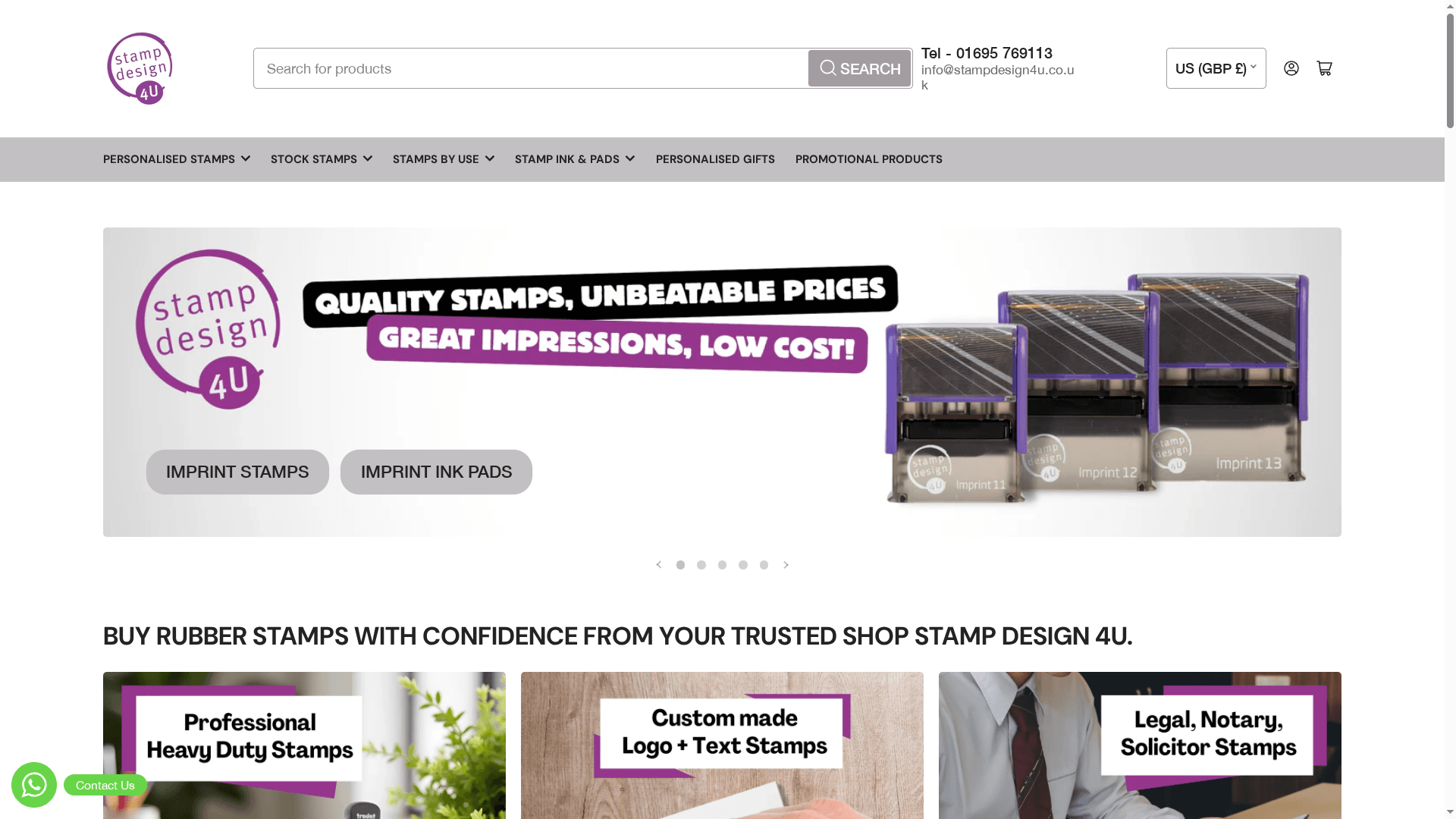
Don’t let uncertainty slow down your business workflow. Explore our custom stamp solutions today at StampDesign4u and experience effortless personalisation with professional results. Start crafting your perfect stamp now to enhance document handling, improve branding impact, and enjoy long-lasting reliability.
Frequently Asked Questions
How do I choose the right type of custom stamp for my business needs?
Choosing the right type of custom stamp depends on your specific requirements, such as the frequency of use and the desired impression quality. Start by evaluating your tasks; for high-volume tasks, consider self-inking stamps, while for detailed logos, opt for pre-inked stamps.
What materials should I consider for a durable custom stamp?
For durability, look for stamps made from high-quality rubber or polymer materials. These offer excellent flexibility and wear resistance, ensuring a long-lasting impression, especially in high-frequency environments.
How can I optimise the design of my custom stamp for clarity and impact?
To optimise your stamp design, focus on using clean, legible typography and ensure graphics are appropriately scaled. Create multiple design drafts, test their legibility, and aim for simplicity to enhance the visual impact on documents.
What are the best practices for maintaining my custom stamps?
To maintain your custom stamps effectively, establish a regular cleaning routine to prevent ink buildup and ensure clarity. Store stamps horizontally in a controlled environment to avoid degradation, and inspect them quarterly to monitor their condition and replace any worn stamps promptly.
How can I personalise my custom stamp with unique text or logos?
Integrating unique text or a company logo into your custom stamp can enhance your branding. Ensure you use high-quality vector graphics for logos and maintain text simplicity for clarity; then, request a physical proof to verify design quality.
What criteria should I use when selecting a custom stamp provider?
When selecting a custom stamp provider, focus on their material quality, customisation options, and turnaround times. Compare offerings between several providers, request sample impressions, and ensure they have a reliable customer support system before making a decision.